📓 Publications

Reference genomes and fossils revise bat family phylogeny and biogeography
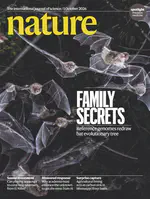
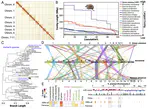
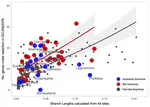
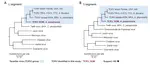
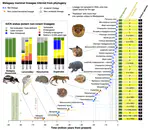
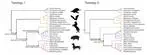
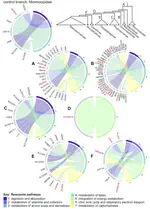
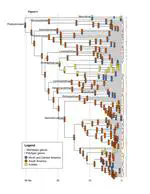
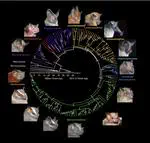
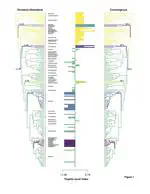
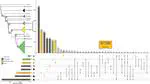
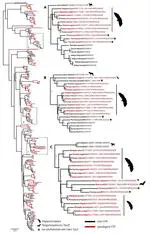
Bats are extraordinary among mammals, having uniquely evolved powered flight and laryngeal echolocation, along with disease resistance, extended healthspans and the ability to hibernate1. However, the evolutionary history of bats and the understanding of these adaptations remain unresolved. We analysed chromosome-level, long-read genome assemblies from 103 bat species, including 42 new assemblies, representing all 21 bat families. This dataset, expanded in scope and assembly quality, yielded a new bat phylogeny. We placed Myzopodidae as the earliest branch within Vespertilionoidea, and resolved yangochiropteran relationships, identifying Emballonuroidea and Vespertilionoidea as sister groups. Our analysis revealed a mosaic evolutionary history across bats and explained why previous phylogenetic studies were misled. Chromosomal ancestral-state reconstructions supported 26 ancestral bat chromosomes. We integrated a morphological dataset of 699 characters for 65 species, including 44 pre-Quaternary fossils and representatives of most living bat families, with neutrally evolving genomic sites. Fossilized birth–death and dispersal–extinction cladogenesis analyses showed that bats, and thus powered flight, probably originated in Europe in the late Palaeocene, refuting African and North American origins. Placement of the fossil †Vielasia in the oldest ‘Eochiroptera’ clade indicates that laryngeal echolocation predates crown-bat diversification. Total evidence dating, including the fossil taxa, significantly reduced unrepresented basal branch lengths compared with molecular-only divergence estimates. By integrating comprehensive genomic and morphological datasets, analysed using innovative methods, we resolve long-standing controversies in bat biology and provide new insights into the evolutionary history and trait diversification of bats.
The Vertebrate Genomes Project Phase I: A global reference genome resource
The Vertebrate Genomes Project (VGP) aims to produce complete and near-error-free reference genomes for all ∼70,000 extant vertebrate species1. Organized in four phases, it progressively targets all vertebrate orders, families, genera, and eventually all species. Here we present the completion of VGP Phase I, delivering reference genomes for ∼95% of vertebrate orders, along with additional lineages within those orders, totaling 816 species and 1.6 trillion base pairs of main haplotype sequence. These genomes were assembled and annotated over an 8-year period (2018-2026) of rapid advances in genome sequencing, assembly, and annotation methods2–4, alongside the growth of associated consortium initiatives and international collaborations5–9. They represent some of the highest-quality vertebrate genomes currently available, and most have become the primary reference for their respective species in public databases. Comparative analyses across a subset of 579 species when we reached a threshold of 85% of orders allowed us to reconstruct the genome of the last common ancestor of all vertebrates 500 million years ago, identify diverse modes of sex chromosome evolution, reveal clade-specific three-dimensional genome architecture, discover methylated epigenetic landscapes across vertebrates, and provide a framework for studying gene and pseudogene evolution, immune loci, cancer-associated genes, and other trait-associated loci. Approximately a quarter of this subset are listed as Vulnerable to Critically Endangered by the IUCN Red List of Threatened Species, and have enabled more advanced genomic investigations of extinction risk. VGP Phase I delivers a reference backbone for vertebrate genomics, enabling discoveries that would otherwise remain out of reach across evolution, conservation, and medicine.

Pathogenesis and host response to a novel Tacaribe virus isolate in experimentally-infected Jamaican fruit bats
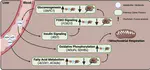
Tacaribe virus (TCRV) was the first arenavirus discovered in the New World and was isolated from Artibeus bats in Trinidad and Tobago in the 1950s. One isolate, TRVL-11573, remains but it was passaged by intracranial inoculation of newborn mice 22 times that likely changed its biology. This isolate has been extensively used for arenavirus research, including our previous work that showed it can cause fatal neurological disease in Jamaican fruit bats (Artibeus jamaicensis). Another divergent TCRV, DOM2014, was recently identified in transcriptome data from a Jamaican fruit bat captured in the Dominican Republic that contained TCRV genome. A kidney fragment homogenate from this bat was inoculated into Jamaican fruit bats and all became infected with signs of mild liver disease. Experimental challenge of Jamaican fruit bats with DOM2014 led to nonfatal infection that persisted through the end of the study on day 21 and with contact transmission to naive bats. Histopathology, immunohistochemistry and serum chemistry confirmed infection and mild liver disease, but none of the bats produced neutralizing antibodies. B cell receptor transcripts suggested limited somatic hypermutation that could explain the lack of detectable neutralizing antibodies. Transcriptome profiling of livers and spleens showed signatures of a typical innate antiviral response; however, evidence of adaptive immune suppression was also present. Similarly, liver transcriptome analysis showed signatures of an expected innate antiviral response and metabolic dysfunction. The isolation of TCRV DOM2014 provides a relevant model for the study of a bat reservoir host, and which may challenge the extensive work previously conducted with TRVL-11573.
Exon Targeted Retrieval and Classification Toolbox (ExTRaCT): a gene search pipeline to find APOBEC3 Z-domains in novel bat genomes
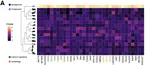
Motivation Several computation gene search tools exist to identify and annotate an ever-growing body of newly sequenced genomes of different species. Many annotation tools, however, fall short when the target species diverges from well-studied model organisms, and when searching for short genes with multiple copies. Results We have developed the Exon Targeted Retrieval and Classification Toolbox, ExTRaCT, an automated pipeline to identify any gene exon with conserved structure in novel species genome assemblies. In the use cases presented here, we applied our search tool to 102 bat genomes to find APOBEC3 gene family members. We show that our homolog search algorithm is efficient (run time average of 5 hours for over 100 genomes), works well with reference sequences distantly related to the target (1 out of 498 misclassifications, 0 false positives and 2 false negatives), and is easy to use. As genomic sequencing becomes faster and more accessible, ExTRaCT has downstream applications in phylogenetic, biochemical and genomic studies. It is a simple computational tool that provides a solution to target gene identification, requiring neither whole-genome-assembly annotations, nor prior knowledge of closely related species.
Genomic comparisons and the adaptive basis of brain size plasticity and chromosomal instability in the Eurasian common shrew
Sorex araneus, the Eurasian common shrew, has seasonal brain size plasticity (Dehnel’s phenomenon) and abundant intraspecific chromosomal rearrangements, but genomic contributions to these traits remain unknown. We couple a chromosome-scale genome assembly with seasonal brain transcriptomes to discover relationships between molecular changes and both traits. Positively selected genes enriched the Fanconi anemia DNA repair pathway, which prevents the accumulation of chromosomal aberrations, and is likely involved in chromosomal rearrangements (FANCI, FAAP100). Genes involved in neurogenesis show either signatures of positive selection (PCDHA6), seasonal differential expression in the cortex and hippocampus (Notch signaling), or both (SOX9), suggesting a role for cellular proliferation in seasonal brain shrinkage and regrowth. Both positive selection and evolutionary upregulation in the shrew hypothalamus of VEGFA and SPHK2 indicate adaptations in hypothalamic metabolic homeostasis have evolved together with Dehnel’s phenomenon. These findings reveal genomic changes central to the evolution of both chromosomal instability and cyclical patterns in brain gene expression that characterizes mammalian brain size plasticity.
Afforestation reduces fire occurrence in Colombia’s tropical savannas
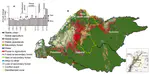
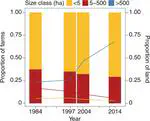
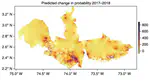
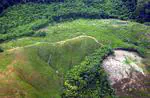
Changes in land use, climate, and socio-ecology drive altered fire regimes that in turn reshape global ecosystems. Rapid afforestation with commercial tree plantations is transforming fire-prone savannas and grasslands globally and particularly in tropical South America, yet its effects on fire dynamics remain poorly understood. Using hierarchical models, we analysed trends in annual burned area within concentric buffers (1 to 6 km) around each of 44 plantation and 52 grassland sites in Colombia’s Orinoquia region—a savanna grassland forest mosaic undergoing major land-use transitions from the expansion of commercial tree plantations. Plantations reduced burned areas in two ways: order-of-magnitude increases in plantation area reduced burnt area by 15% and plantation sites reduced their burnt area by 2% each year; both results consistent with trees replacing more inflammable grassland vegetation. While the mechanisms behind divergent savanna/plantation fire dynamics remain unresolved and could involve active fuel management and fire response, increased canopy cover or some combination thereof, this study provides spatially explicit, context-sensitive evidence on how land-use transitions interact with fire regimes with direct relevance for grasslands and savanna management and climate adaptation policy in South America.
Weather disasters and their underreported transboundary impacts on Amazonian communities
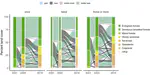
In the Amazon, climate and land use change are expected to intensify risks from weather disasters, posing major challenges to people and ecosystems. Yet, how weather disasters already affect the peoples of Amazonia remains understudied. To quantify regional impacts, we compiled and analyzed reports on weather disaster category, frequency, human, and economic impacts from 2013 to 2023 across five Amazonian countries. We counted 12,541 disaster reports, affecting up to >3 million Amazonians and >100,000 pieces of public infrastructure in a single year. There were disproportionate concentrations of landslides in the Amazon-Andes of Ecuador, and fires associated with agricultural management and sometimes land grabbing in the Orinoco-Amazon ecotone of Colombia and along the southern Arc of Deforestation of Bolivia and Brazil. We argue that weather disaster impacts in the Amazon are underreported because: 1) data from four Amazonian countries could not be obtained, 2) cross-country reporting was not standardized and 3) it varied such that virtually all heatwave and most drought data came from Brazil, despite published evidence that both disaster types are present throughout the region. Disaster impacts are already significant, underscoring the need for transboundary policies on land use, local adaptation strategies for communities and infrastructure, and coordinated regional efforts to share and update weather disaster management plans. Developing consistent, accessible, and interoperable datasets across the region is fundamental to building a comprehensive understanding of weather-related disasters in the Amazon and to informing effective public policies that strengthen prevention, response, and adaptation efforts.. These findings and recommendations provide a basis for discussing regional climate hazards at CoP30 in Belém do Pará, Brazil, in November.
Dynamic metabolic and molecular changes during seasonal shrinking in Sorex araneus
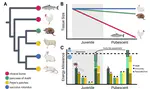
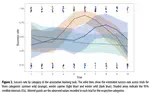
To meet the challenge of wintering in place, many high-latitude small mammals reduce energy demands through hibernation. In contrast, short-lived Eurasian common shrews, Sorex araneus, remain active and shrink, including energy-intensive organs in winter, regrowing in spring in an evolved strategy called Dehnel’s phenomenon. How this size change is linked to metabolic and regulatory changes to sustain their high metabolism is unknown. We analyzed metabolic, proteomic, and gene expression profiles spanning the entirety of Dehnel’s seasonal cycle in wild shrews. We show regulatory changes to oxidative phosphorylation and increased fatty acid metabolism during autumn-to-winter shrinkage, as previously found in hibernating species. But in shrews we also found upregulated winter expression of genes involved in gluconeogenesis: the biosynthesis of glucose from noncarbohydrate substrates. Coexpression models revealed changes in size and metabolic gene expression interconnect via FOXO signaling, whose overexpression reduces size and extends lifespan in many model organisms. We propose that while shifts in gluconeogenesis meet the challenge posed by high metabolic rate and active winter lifestyle, FOXO signaling is central to Dehnel’s phenomenon, with spring downregulation limiting lifespan in these shrews.
Gene expression reveals the pancreas of Aselli as a critical organ for plasma cell differentiation in the common shrew
Background Almost all mammals rely on the thymus and bone marrow to generate and differentiate B and T cells essential for adaptive immunity. A few members of the family Soricidae, or true shrews within Eulipotyphla, have also evolved an enlarged pancreas of Aselli, a kidney-sized organ hypothesized to serve this primary immune role, and whose gene expression profile is unknown. Results Here we introduce transcriptomes of juvenile Eurasian common shrews (Sorex araneus, family Soricidae) pancreas of Aselli. We compare these to those of the shrew spleen and chick bursa of Fabricius, an analogous, bird- specific organ, and explore differential expression overlaps with positively selected genes. Differential gene expression analyses revealed higher expression of genes that regulate the differentiation of B cells into long-term plasma cells (e.g., IRF4, XBP1, PRDM1) compared to the spleen and more convergent expression with the bursa of Fabricius than expected by chance (including IRF4). Overlaps with positive selection were as expected and included PTPRCAP, which regulates both T and B cell antigen responses and lymph node size. Conclusions Our results support the specialized role of the pancreas of Aselli in adaptive immunity, and we propose this uniquely enlarged organ evolved at the intersection between extreme metabolic demands and high parasite burdens in tiny yet very active shrews.
Programmed seasonal brain shrinkage in the common shrew via water loss without cell death
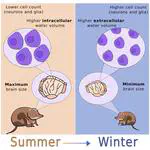
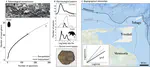
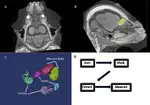
Brain plasticity, the brain’s inherent ability to adapt its structure and function, is crucial for responding to environmental challenges but is usually not linked to a significant change in size. A striking exception to this is Dehnel’s phenomenon, where seasonal reversible brain-size reduction occurs in some small mammals to decrease metabolic demands during resource-scarce winter months. Despite these volumetric changes being well documented, the specific microstructural alterations that facilitate this adaptation remain poorly understood. Our study employed diffusion microstructure imaging (DMI) to explore these changes in common shrews, revealing significant alterations in water diffusion properties such as increased mean diffusivity and decreased fractional anisotropy, leading to decreased water content inside brain cells during winter. These findings confirm that brain-size reduction correlates with a decrease in cell size, as our data indicate no reduction in cell numbers, showcasing a reorganization of brain tissue that supports survival without compromising brain function. These findings extend our understanding of neuronal resilience and may inform future research on regenerative mechanisms, particularly during the spring regrowth phase, offering potential strategies relevant to neurodegenerative disease.
Criminal control shapes options for Amazon forests
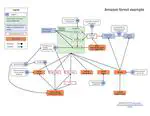
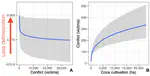
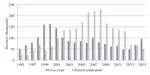
Transnational crime networks trafficking cocaine and gold are increasingly active in the Amazon. How international demand, trafficking, and impacts have changed, however, remain underexplored. We show that, annually, cocaine metabolite concentration in European sewage increased by 17% since 2011, while in the Brazilian Amazon cocaine seizures and gold royalties recently rose by ~50%, and forest loss in Peru since 2004 grew by 31% for every tenfold increase in coca cultivation with high recent losses (2019–2023). During this period, transnational networks of violent non-state actors (VNSAs) consolidated control over borders and triple borders, fostering environmental degradation. We also explore scenarios of relaxed cocaine prohibition and falling demand and find neither necessarily curbs conservation impacts because policy gradients between countries can increase crime or bifurcate markets into legal and illegal portions (as with gold), and traffickers can build on their economies of scope to pivot to other products (as they do with gold). Instead, opening options for non-criminal social control is essential for Amazon conservation, which requires much greater coordination and investment, even under relaxed prohibition scenarios. Therefore, robust, transnationally coordinated environmental law enforcement and sustainable, legal economic alternatives are indispensable to protect Amazonian peoples and ecosystems.
Captivity alters behaviour but not seasonal brain size change in semi-naturally housed shrews
Captivity, frequently used in animal research, can profoundly alter brain size, cognitive abilities and activity levels. Critically, persistent exposure to stressors in captive environments can lead to chronic stress and subsequently to a range of health issues. However, the direct implications of captivity on research outcomes have not been thoroughly investigated. We examined the effects of captivity on the common shrew, Sorex araneus, a species that exhibits a profound seasonal reversible change in brain and body size. We compared wild shrews during summer and winter to assess seasonal changes in brain size and behaviour and then contrasted these findings with shrews kept in captivity for six months. Using repeated in vivo magnitic resonance imaging, we determined that the extent of seasonal brain size change was not affected by the semi-natural captive conditions. However, captivity led to increased activity levels and reduced learning motivation in the shrews, indicative of chronic stress. These results suggest that even semi-natural conditions can significantly alter the outcome of studies and these effects need to be quantified before experimentation.
Bat genomes illuminate adaptations to viral tolerance and disease resistance
Zoonoses are infectious diseases transmitted from animals to humans. Compared to other mammalian orders, bats are suggested to harbor more zoonotic viruses(Olival et al. 2017). Infections in bats are largely asymptomatic(Schlottau et al. 2020; Guito et al. 2021), suggesting limited tissue-damaging inflammation and immunopathology. To investigate the genomic basis of disease resistance, the Bat1K project generated reference-quality genomes of ten bat species, including potential viral reservoirs. A systematic analysis covering 115 mammalian genomes revealed that signatures of selection in immune genes are more prevalent in bats compared with other mammalian orders. We found an excess of immune gene adaptations in the ancestral chiropteran branch and in many descending bat lineages, highlighting viral entry and detection factors, and regulators of antiviral and inflammatory responses. ISG15, an antiviral gene contributing to hyperinflammation during COVID-19(Perng and Lenschow 2018; Munnur et al. 2021), exhibits key residue changes in rhinolophid and hipposiderid bats. Cellular infection experiments show species-specific antiviral differences and an essential role offor protein conjugation in antiviral function of bat ISG15, separate from its role in secretion and inflammation in humans. Furthermore, in contrast to human ISG15, ISG15 of most rhinolophid and hipposiderid bats has strong anti-SARS-CoV-2 activity. Our work reveals molecular mechanisms contributing to viral tolerance and disease resistance in bats.
Frugivore traits predict plant-frugivore interactions using generalized joint attribute modeling
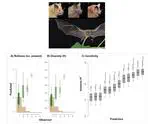
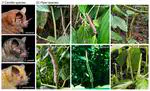
Under an adaptive hypothesis, the reciprocal influence between mutualistic plants and frugivores is expected to result in dispersal syndromes comprising both frugivore and plant traits that structure fruit consumption. How frugivore traits and within-species variation contribute to structuring dispersal syndromes is, however, often ignored. To address both gaps, we analyze traits for the mutualistic ecological network comprising Carollia bats that feed on and disperse Piper seeds. We used generalized joint attribute modeling (GJAM), a Bayesian modeling approach that simultaneously accounts for multiple sources of variance across trait types. In support of the adaptive hypothesis and indicating niche partitioning among Carollia bats, we find differential consumption of a suite of Piper species influenced by bat traits such as body size; however, Piper morphological traits had no effect on bat consumption. Slow evolutionary rates, dispersal by other vertebrates, and unexamined fruit traits, such as Piper chemical bouquets, may explain the lack of association between bat Piper consumption and fruit morphological traits. We have identified a potential asymmetric influence of frugivore traits on plant-frugivore interactions, providing a template for future trait analyses of plant-animal networks. As intraspecific trait variation is rarely included in studies on trait matching, this paper contributes to closing that important knowledge gap.
Gene expression comparisons between captive and wild shrew brains reveal captivity effects
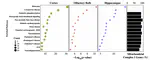
Compared with their free-ranging counterparts, wild animals in captivity experience different conditions with lasting physiological and behavioural effects. Although shifts in gene expression are expected to occur upstream of these phenotypes, we found no previous gene expression comparisons of captive versus free-ranging mammals. We assessed gene expression profiles of three brain regions (cortex, olfactory bulb and hippocampus) of wild shrews (Sorex araneus) compared with shrews kept in captivity for two months and undertook sample dropout to examine robustness given limited sample sizes. Consistent with captivity effects, we found hundreds of differentially expressed genes in all three brain regions, 104 overlapping across all three, that enriched pathways associated with neurodegenerative disease, oxidative phosphorylation and genes encoding ribosomal proteins. In the shrew, transcriptomic changes detected under captivity resemble responses in several human pathologies, including major depressive disorder and neurodegeneration. While interpretations of individual genes are tempered by small sample sizes, we propose captivity influences brain gene expression and function and can confound analyses of natural processes in wild individuals under captive conditions.
Newly assembled pocket gopher genomes can facilitate conservation management of biodiversity
Texas exhibits one of the richest levels of pocket gopher diversity in the United States. Three genera (Cratogeomys, Geomys, and Thomomys) and 11 species are found in Texas. It is not surprising given the diversity of the Texas landscape (ecoregions, life zones, substrates, and vegetation) that these species are further subdivided into 29 subspecies in Texas alone. Pocket gopher distributions are determined by availability of suitable soil types and therefore often occur in small, isolated populations. For some taxa, limited distribution and ultimately small deme sizes result in populations that may require attention from a regulatory and management perspective. For many Texas pocket gopher subspecies, insufficient information exists to make sound recommendations relative to conservation status and needs despite decades of research collecting and evaluating data based on morphometrics, distributions and habitat preferences, karyotypes, allozymes, and mitochondrial DNA. As such, there is precedent for elevating pocket gopher subspecies to species after evaluation of available data, as well as subsuming subspecies into a broader taxonomic group. We used genomic techniques to identify genetically defined operational taxonomic units (OTUs) of pocket gophers to improve knowledge and understanding of pocket gopher distributions within the state. Using tens of thousands of single nucleotide polymorphisms, we determined the number of OTUs in each genus to be 5 for Thomomys bottae subspecies, 8 for Geomys species, and 5 for Cratogeomys castanops subspecies in Texas. In general, these data agree with current taxonomic hypotheses regarding Geomys and C. castanops; however, many T. bottae groups present similar genetic patterns that do not merit subspecies status based on these data, suggesting a more conservative classification of T. bottae in Texas and southeastern New Mexico that could facilitate conservation efforts, should they be necessary.
Seasonal and comparative evidence of adaptive gene expression in mammalian brain size plasticity
Contrasting almost all other mammalian wintering strategies, Eurasian common shrews, Sorex araneus, endure winter by shrinking their brain, skull, and most organs, only to then regrow to breeding size the following spring. How such tiny mammals achieve this unique brain size plasticity while maintaining activity through the winter remains unknown. To discover potential adaptations underlying this trait, we analyzed seasonal differential gene expression in the shrew hypothalamus, a brain region that both regulates metabolic homeostasis and drastically changes size, and compared hypothalamus gene expression across species. We discovered seasonal variation in suites of genes involved in energy homeostasis and apoptosis, shrew-specific upregulation of genes involved in the development of the hypothalamic blood-brain barrier and calcium signaling, as well as overlapping seasonal and comparative gene expression divergence in genes implicated in the development and progression of human neurological and metabolic disorders, including CCDC22. With high metabolic rates and facing harsh winter conditions, S. araneus have evolved both adaptive and plastic mechanisms to sense and regulate their energy budget. Many of these changes mirrored those identified in human neurological and metabolic disease, highlighting the interactions between metabolic homeostasis, brain size plasticity, and longevity.
Discovery and biological confirmation of a highly divergent Tacaribe virus in metatranscriptomic data from neotropical bats
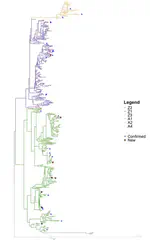
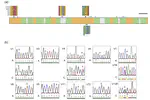
First isolated from neotropical fruit bats in Trinidad in 1956, Tacaribe virus (TCRV) has rarely been detected since. We searched for New World arenavirus reads in roughly 5.7 million sequencing runs available on public databases using Serratus. We recovered a complete genome of a divergent TCRV in metatranscriptomic data derived from heart and eye tissue of an adult male Jamaican fruit-eating bat sampled in the Dominican Republic, 2014. In total, 2,733 reads were mapped resulting in mean coverages of 7.4-fold for the L and 10.2-fold for the S segment. Re-testing original bat specimens showed the highest viral loads in liver tissue (245 copies/mg). Sanger sequencing of PCR amplicons from liver confirmed correctness of and completed the genome recovered from metatranscriptomic data, revealing conserved arenavirus genomic organization, length, intergenic regions, and genome termini. The newly found TCRV strain tentatively named DOM2014 clustered in a basal sister relationship to all other known TCRV strains with which it shared between 83.3%–86.0% genomic and 91.8%–93.7% translated amino acid sequence identity across protein-coding regions. DOM2014 showed a conserved glycine, proline, proline, threonine (GPPT) nucleopro­ tein motif, which is essential for TCRV interferon β antagonism. Our data confirm the association of TCRV with the bat genus Artibeus put into question by lethal experi­ mental infections and scarce bat-derived TCRV genomic data. Broad genetic diversity and geographic spread require assessments of TCRV strain-associated pathogenicity, particularly for DOM2014 as a highly divergent TCRV strain. Confirmation of genomic database findings by testing original specimens provides robustness to our findings and supports the usefulness of metatranscriptomic studies.
Human and bats genome robustness under COSMIC mutational signatures
Carcinogenesis is an evolutionary process, and mutations can fix the selected phenotypes in selective microenvironments. Both normal and neoplastic cells are robust to the mutational stressors in the microenvironment to the extent that secure their fitness. To test the robustness of genes under a range of mutagens, we developed a sequential mutation simulator, Sinabro, to simulate single base substitution under a given mutational process. Then, we developed a pipeline to measure the robustness of genes and cells under those mutagenesis processes. We discovered significant human genome robustness to the APOBEC mutational signature SBS2, which is associated with viral defense mechanisms and is implicated in cancer. Robustness evaluations across over 70,000 sequences against 41 signatures showed higher resilience under signatures predominantly causing C-to-T (G-to-A) mutations. Principal component analysis indicates the GC content at the codon’s wobble position significantly influences robustness, with increased resilience noted under transition mutations compared to transversions. Then, we tested our results in bats at extremes of the lifespan-to-mass relationship and found the long-lived bat is more robust to APOBEC than the short-lived one. By revealing APOBEC as the prime driver of robustness in the human (and other mammalian) genome, this work bolsters the key potential role of APOBECs in carcinogenesis, as well as evolved countermeasures to this innate mutagenic process. It also provides the baseline of the human and bat genome robustness under mutational processes associated with cancer.
Neotropics as a Cradle for Adaptive Radiations
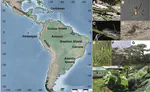
Neotropical ecosystems are renowned for numerous examples of adaptive radiation in both plants and animals resulting in high levels of biodiversity and endemism. However, we still lack a comprehensive review of the abiotic and biotic factors that contribute to these adaptive radiations. To fill this gap, we delve into the geological history of the region, including the role of tectonic events such as the Andean uplift, the formation of the Isthmus of Panama, and the emergence of the Guiana and Brazilian Shields. We also explore the role of ecological opportunities created by the emergence of new habitats, as well as the role of key innovations, such as novel feeding strategies or reproductive mechanisms. We discuss different examples of adaptive radiation, including classic ones like Darwin’s finches and Anolis lizards, and more recent ones like bromeliads and lupines. Finally, we propose new examples of adaptive radiations mediated by ecological interactions in their geological context. By doing so, we provide insights into the complex interplay of factors that contributed to the remarkable diversity of life in the Neotropics and highlight the importance of this region in understanding the origins of biodiversity.
Cochlea development shapes bat sensory system evolution
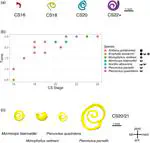
Sensory organs must develop alongside the skull within which they are largely encased, and this relationship can manifest as the skull constraining the organs, organs constraining the skull, or organs constraining one another in relative size. How this interplay between sensory organs and the developing skull plays out during the evolution of sensory diversity; however, remains unknown. Here, we examine the developmental sequence of the cochlea, the organ responsible for hearing and echolocation, in species with distinct diet and echolocation types within the ecologically diverse bat super-family Nocti- lionoidea. We found the size and shape of the cochlea largely correlates with skull size, with exceptions of Pteronotus parnellii, whose high duty cycle echo- location (nearly constant emission of sound pulses during their echolocation process allowing for detailed information gathering, also called constant fre- quency echolocation) corresponds to a larger cochlear and basal turn, and Monophyllus redmani, a small-bodied nectarivorous bat, for which interactions with other sensory organs restrict cochlea size. Our findings support the exis- tence of developmental constraints, suggesting that both developmental and anatomical factors may act synergistically during the development of sensory systems in noctilionoid bats.
Robust evidence for bats as reservoir hosts is lacking in most African virus studies: a review and call to optimize sampling and conserve bats
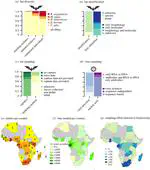
Africa experiences frequent emerging disease outbreaks among humans, with bats often proposed as zoonotic pathogen hosts. We comprehensively reviewed virus–bat findings from papers published between 1978 and 2020 to evaluate the evidence that African bats are reservoir and/or bridging hosts for viruses that cause human dis- ease. We present data from 162 papers (of 1322) with original findings on (1) numbers and species of bats sampled across bat families and the continent, (2) how bats were selected for study inclusion, (3) if bats were terminally sampled, (4) what types of ecological data, if any, were recorded and (5) which viruses were detected and with what methodology. We propose a scheme for evaluating presumed virus–host relationships by evidence type and quality, using the contrasting available evidence for Orthoebolavirus versus Ortho- marburgvirus as an example. We review the wording in abstracts and discussions of all 162 papers, identifying key framing terms, how these refer to findings, and how they might contribute to people’s beliefs about bats. We discuss the impact of scientific research communi- cation on public perception and emphasize the need for strategies that minimize human–bat conflict and support bat conservation. Finally, we make recommen- dations for best practices that will improve virological study metadata.
The evolution of antimicrobial peptides in Chiroptera
High viral tolerance coupled with an extraordinary regulation of the immune response makes bats a great model to study host-pathogen evolution. Although many immune-related gene gains and losses have been previously reported in bats, important gene families such as antimicrobial peptides (AMPs) remain understudied. We built an exhaustive bioinformatic pipeline targeting the major gene families of defensins and cathelicidins to explore AMP diversity and analyze their evolution and distribution across six bat families. A combination of manual and automated procedures identified 29 AMP families across queried species, with α-, β-defensins, and cathelicidins representing around 10% of AMP diversity. Gene duplications were inferred in both α-defensins, which were absent in five species, and three β-defensin gene subfamilies, but cathelicidins did not show significant shifts in gene family size and were absent in Anoura caudifer and the pteropodids. Based on lineage-specific gains and losses, we propose diet and diet-related microbiome evolution may determine the evolution of α- and β-defensins gene families and subfamilies. These results highlight the importance of building species-specific libraries for genome annotation in non-model organisms and shed light on possible drivers responsible for the rapid evolution of AMPs. By focusing on these understudied defenses, we provide a robust framework for explaining bat responses to pathogens.
Evolutionary potential of the monkeypox genome arising from interactions with human APOBEC3 enzymes
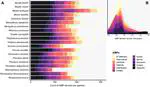
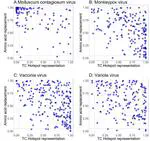
APOBEC3, an enzyme subfamily that plays a role in virus restriction by generating mutations at particular DNA motifs or mutational ‘hotspots’, can drive viral mutagenesis with host-specific preferential hotspot mutations contributing to pathogen variation. While previous analysis of viral genomes from the 2022 Mpox (formerly Monkeypox) disease outbreak has shown a high frequency of C>T mutations at TC motifs, suggesting recent mutations are human APOBEC3-mediated, how emerging monkeypox virus (MPXV) strains will evolve as a consequence of APOBEC3-mediated mutations remains unknown. By measuring hotspot under-representation, depletion at synonymous sites, and a combination of the two, we analyzed APOBEC3-driven evolution in human poxvirus genomes, finding varying hotspot under-representation patterns. While the native poxvirus molluscum contagiosum exhibits a signature consistent with extensive coevolution with human APOBEC3, including depletion of TC hotspots, variola virus shows an intermediate effect consistent with ongoing evolution at the time of eradication. MPXV, likely the result of recent zoonosis, showed many genes with more TC hotspots than expected by chance (over-representation) and fewer GC hotspots than expected (under-representation). These results suggest the MPXV genome: (1) may have evolved in a host with a particular APOBEC GC hotspot preference, (2) has inverted terminal repeat (ITR) regions—which may be exposed to APOBEC3 for longer during viral replication—and longer genes likely to evolve faster, and therefore (3) has a heightened potential for future human APOBEC3-meditated evolution as the virus spreads in the human population. Our predictions of MPXV mutational potential can both help guide future vaccine development and identification of putative drug targets and add urgency to the task of containing human Mpox disease transmission and uncovering the ecology of the virus in its reservoir host.
Disentangling mechanical and sensory modules in the radiation of Noctilionoid bats
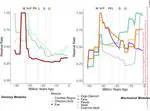
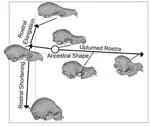
With diverse mechanical and sensory functions, the vertebrate cranium is a complex anatomical structure whose shifts between modularity and integration, especially in mechanical function, have been implicated in adaptive diversification. Yet, how mechanical and sensory systems and their functions coevolve, and how their interrelationship contributes to phenotypic disparity remain largely unexplored. To examine the modularity, integration, and evolutionary rates of sensory and mechanical structures within the head, we analyzed hard and soft tissue scans from ecologically diverse bats in the superfamily Noctilionoidea, a clade that ranges from insectivores and carnivores to frugivores and nectarivores. We identified eight regions that evolved in a coordinated fashion, thus recognizable as evolutionary modules: five associated with bite force, and three linked to olfactory, visual, and auditory systems. Interrelationships among these modules differ between Neotropical leaf-nosed bats (Family Phyllostomidae) and other noctilionoids. Consistent with the hypothesis that dietary transitions begin with changes in the capacity to detect novel food items followed by adaptations to process them, peak rates of sensory module evolution predate those of some mechanical modules. We propose the coevolution of structures influencing bite force, olfaction, vision, and hearing constituted a structural opportunity that allowed the phyllostomid ancestor to take advantage of existing ecological opportunities and contributed to the clade’s remarkable radiation.
Ecological constraints on highly evolvable olfactory receptor genes and morphology in neotropical bats
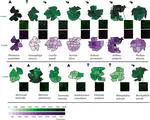
While evolvability of genes and traits may promote specialization during species diversification, how ecology subsequently restricts such variation remains unclear. Chemosensation requires animals to decipher a complex chemical background to locate fitness-related resources, and thus the underlying genomic architecture and morphology must cope with constant exposure to a changing odorant landscape; detecting adaptation amidst extensive chemosensory diversity is an open challenge. In phyllostomid bats, an ecologically diverse clade that evolved plant-visiting from an insectivorous ancestor, the evolution of novel food detection mechanisms is suggested to be a key innovation, as plant-visiting species rely strongly on olfaction, supplementarily using echolocation. If this is true, exceptional variation in underlying olfactory genes and phenotypes may have preceded dietary diversification. We compared olfactory receptor (OR) genes sequenced from olfactory epithelium transcriptomes and olfactory epithelium surface area of bats with differing diets. Surprisingly, although OR evolution rates were quite variable and generally high, they are largely independent of diet. Olfactory epithelial surface area, however, is relatively larger in plant-visiting bats and there is an inverse relationship between OR evolution rates and surface area. Relatively larger surface areas suggest greater reliance on olfactory detection and stronger constraint on maintaining an already diverse OR repertoire. Instead of the typical case in which specialization and elaboration are coupled with rapid diversification of associated genes, here the relevant genes are already evolving so quickly that increased reliance on smell has led to stabilizing selection, presumably to maintain the ability to consistently discriminate among specific odorants — a potential ecological constraint on sensory evolution.
Fruit odorants mediate co-specialization in a multispecies plant–animal mutualism
Despite the widespread notion that animal-mediated seed dispersal led to the evolution of fruit traits that attract mutualistic frugivores, the dispersal syndrome hypothesis remains controversial, particularly for complex traits such as fruit scent. Here, we test this hypothesis in a community of mutualistic, ecologically important neotropical bats (Carollia spp.) and plants (Piper spp.) that communicate primarily via chemical signals. We found greater bat consumption is significantly associated with scent chemical diversity and presence of specific compounds, which fit multi-peak selective regime models in Piper. Through behavioural assays, we found Carollia prefer certain compounds, particularly 2-heptanol, which evolved as a unique feature of two Piper species highly consumed by these bats. Thus, we demonstrate that volatile compounds emitted by neotropical Piper fruits evolved in tandem with seed dispersal by scent-oriented Carollia bats. Specifically, fruit scent chemistry in some Piper species fits adaptive evolutionary scenarios consistent with a dispersal syndrome hypothesis. While other abiotic and biotic processes likely shaped the chemical composition of ripe fruit scent in Piper, our results provide some of the first evidence of the effect of bat frugivory on plant chemical diversity.
Diversity in olfactory receptor repertoires is associated with dietary specialization in a genus of frugivorous bat
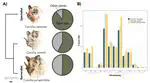
Mammalian olfactory receptors (ORs) are a diverse family of genes encoding proteins that directly interact with environmental chemical cues. ORs evolve via gene duplication in a birth-death fashion, neofunctionalizing and pseudogenizing over time. Olfaction is a primary sense used for food detection in plant-visiting bats, but the relationship between dietary specialization and OR repertoire diversity is unclear. Within neotropical Leaf-nosed bats (Phyllostomidae), many lineages are plant specialists, and some have a distinct OR repertoire compared to insectivorous species. Yet, whether specialization on particular plant genera is associated with the evolution of specialized OR repertoires with narrower diversity has never been tested. Using targeted sequence capture, we sequenced the OR repertoires of three sympatric species of short-tailed fruit bats (Carollia), which vary in their degree of specialization on the fruits of Piper plants. We characterized orthologous versus duplicated receptors among Carollia species, and explored the diversity and redundancy of the receptor gene repertoire. At the species level, the most dedicated Piper specialist, Carollia castanea, had lower OR diversity compared to the two generalists (C. sowelli, C. perspicillata), but we discovered a few unique sets of ORs within C. castanea with high redundancy of similar gene duplicates. These unique receptors potentially enable C. castanea to detect Piper fruit odorants better than its two congeners. Carollia perspicillata, the species with the most generalist diet, had a higher diversity of intact receptors, suggesting the ability to detect a wider range of odorant molecules. Variation among ORs may be a factor in the coexistence of these sympatric species, facilitating the exploitation of different plant resources. Our study sheds light on how gene duplication and changes in OR diversity may play a role in dietary adaptations and underlies patterns of ecological interactions between bats and plants.
Six reference-quality genomes reveal evolution of bat adaptations
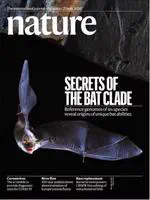
Bats possess extraordinary adaptations, including flight, echolocation, extreme longevity and unique immunity. High-quality genomes are crucial for understanding the molecular basis and evolution of these traits. Here we incorporated long-read sequencing and state-of-the-art scaffolding protocols1 to generate, to our knowledge, the first reference-quality genomes of six bat species (Rhinolophus ferrumequinum, Rousettus aegyptiacus, Phyllostomus discolor, Myotis myotis, Pipistrellus kuhlii and Molossus molossus). We integrated gene projections from our ‘Tool to infer Orthologs from Genome Alignments’ (TOGA) software with de novo and homology gene predictions as well as short- and long-read transcriptomics to generate highly complete gene annotations. To resolve the phylogenetic position of bats within Laurasiatheria, we applied several phylogenetic methods to comprehensive sets of orthologous protein-coding and noncoding regions of the genome, and identified a basal origin for bats within Scrotifera. Our genome-wide screens revealed positive selection on hearing-related genes in the ancestral branch of bats, which is indicative of laryngeal echolocation being an ancestral trait in this clade. We found selection and loss of immunity-related genes (including pro-inflammatory NF-κB regulators) and expansions of anti-viral APOBEC3 genes, which highlights molecular mechanisms that may contribute to the exceptional immunity of bats. Genomic integrations of diverse viruses provide a genomic record of historical tolerance to viral infection in bats. Finally, we found and experimentally validated bat-specific variation in microRNAs, which may regulate bat-specific gene-expression programs. Our reference-quality bat genomes provide the resources required to uncover and validate the genomic basis of adaptations of bats, and stimulate new avenues of research that are directly relevant to human health and disease1.
Species tree disequilibrium positively misleads models of gene family evolution
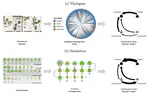
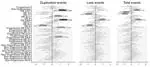
Gene duplication is a key source of evolutionary innovation, and multigene families evolve in a birth-death process, continuously duplicating and pseudogenizing through time. To empirically test hypotheses about adaptive expansion and contraction of multigene families across species, models infer gene gain and loss in light of speciation events and these inferred gene family expansions may lead to interpretations of adaptations in particular lineages. While the relative abundance of a gene subfamily in the subgenome may reflect its functional importance, tests based on this expectation can be confounded by the complex relationship between the birth-death process of gene subfamily evolution and the species phylogeny. Using simulations, we confirmed tree heterogeneity as a confounding factor in inferring multi-gene adaptation, causing spurious associations between shifts in birth-death rate and lineages with higher branching rates. We then used the olfactory receptor (OR) repertoire, the largest gene family in the mammalian genome, of different bat species with divergent diets to test whether expansions in olfactory receptors are associated with shifts to frugivorous diets. After accounting for tree heterogeneity, we robustly inferred that certain OR subfamilies exhibited expansions associated with dietary shifts to frugivory. Taken together, these results suggest ecological correlates of individual OR gene subfamilies can be identified, setting the stage for detailed inquiry into within-subfamily functional differences.
Short‐faced bats (Phyllostomidae: Stenodermatina): a Caribbean radiation of strict frugivores
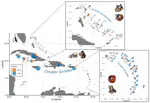
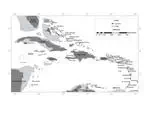
Aim To test the hypothesis that Caribbean Short‐faced bats descended from a single recent ancestor that originated in the continental Neotropics (Mexico, Central America and/or South America). Location The Neotropics, including the West Indies. Methods New mitochondrial cytochrome b and nuclear Rag2 sequences were combined with published molecular data to estimate phylogenetic relationships and sequence divergence among Short‐faced bats. The resulting phylogenies were compared with those compatible with the single‐origin hypothesis using two model‐based statistical tests. Confidence limits on sequence divergence were estimated using a parametric bootstrap. Results All molecular phylogenies revealed two independent Caribbean lineages and showed that continental Short‐faced bats share a recent common ancestor. Morphology‐based trees compatible with the single‐origin hypothesis were significantly worse at explaining the molecular data than any molecular phylogeny. Main conclusions The ancestor of all Short‐faced bats reached the Antilles in the Miocene, too recently to have used a proposed Oligocene land bridge, and well before the Pleistocene glaciations that are thought to have facilitated dispersal for many bats. After a long period of isolation, Short‐faced bats diversified quickly on the Caribbean islands. A single Short‐faced lineage then reached the continent and subsequently expanded its range and diversified into the four extant genera. Among bats, independent lineages of aerial insectivores and nectarivores have also recolonized the continent after evolving in the West Indies. The evidence for an insular origin of the short‐faced frugivorous radiation completes a dynamic model of Caribbean biogeography that encompasses an entire biological community.
The geography of diversification in the mormoopids (Chiroptera: Mormoopidae)
The traditional explanation of the distribution of the Mormoopidae is that this family originated in southern Central America or northern South America, later expanding its range north to Mexico and the West Indies, and differentiating into eight species. An alternative fossil-based hypothesis argues that the family originated in the northern Neotropics, reached the Caribbean early in its history, and dispersed to South America after the completion of the Isthmus of Panama. The present study analyses new and previously published sequence data from the mitochondrial 12S, tRNAval, 16S, and cytochrome b, and the nuclear Rag2, to evaluate species boundaries and infer relationships among extant taxa. Fixed differences in cytochrome b often coincide with published morphological characters and show that the family contains at least 13 species. Two additional, morphologically indistinct, lineages are restricted to Suriname and French Guiana. Phylogeny-based inferences of ancestral area are equivocal on the geographical origin of mormoopids, in part because several internal nodes are not resolved with the available data. Divergences between Middle American and Antillean populations are greater than those between Mexico/Central America and South America. This suggests that mormoopids diversified in northern Neotropics before entering South America. A northern neotropical origin for mormoopids is congruent with both the Tertiary fossil record and recent phylogenetic hypotheses for the sister family to the Mormoopidae, the Phyllostomidae.
Exploring population genetic structure in three species of Lesser Antillean bats
We explore population genetic structure in phyllostomid bats (Ardops nichollsi, Brachyphylla cavernarum and Artibeus jamaicensis) from the northern Lesser Antilles by investigating the degree to which island populations are genetically differentiated. Our hypothesis, that the island populations are genetically distinct because of a combination of founding events, limited migration and genetic drift exacerbated by catastrophe‐induced fluctuations in population size, is derived from a priori hypotheses erected in the literature. The first prediction of this hypothesis, that within each species island populations are monophyletic, was tested using a parametric bootstrap approach. Island monophyly could not be rejected in Ardops nichollsi (P = 0.718), but could be rejected in B. cavernarum (P < 0.001) and Artibeus jamaicensis (P < 0.001). A second prediction, that molecular variance is partitioned among islands, was tested using an amova and was rejected in each species [Ardops nichollsi (P = 0.697); B. cavernarum (P = 0.598); Artibeus jamaicensis (P = 0.763)]. In B. cavernarum and Artibeus jamaicensis, the admixture in mitochondrial haplotypes from islands separated by > 100 km of ocean can be explained either by interisland migration or by incomplete lineage sorting of ancestral polymorphism in the source population. As an a posteriori test of lineage sorting, we used simulations of gene trees within a population tree to suggest that lineage sorting is an unlikely explanation for the observed pattern of nonmonophyly in Artibeus jamaicensis (PW < 0.01; PSE = 0.04), but cannot be rejected in B. cavernarum (PW = 0.81; PSE = 0.79). A conservative interpretation of the molecular data is that island populations of Artibeus jamaicensis, although isolated geographically, are not isolated genetically.
Phylogeny of the Lonchophyllini (Chiroptera: Phyllostomidae)
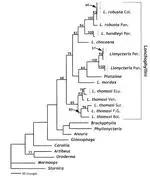
A combination of 1,140 base pairs of the mitochondrial cytochrome b gene of Platalina, Lionycteris, and several species of Lonchophylla (Chiroptera: Phyllostomidae) with 150 morphological, sex chromosome, and restriction site characters were used in an attempt to resolve relationships among the lonchophylline taxa. In addition, the monophyly of Lonchophylla was tested, particularly with respect to Platalina. The most parsimonious hypothesis of relationships using all available characters was (L. mordax ((L. chocoana (L. robusta, L. handleyi))(L. thomasi (Lionycteris, Platalina)))). Lonchophylla appears to be paraphyletic, but this arrangement is not well supported. Our analyses suggest that Platalina is not simply a large Lonchophylla, as had been suggested by previous morphological analyses. The low support values for basal relationships found in this study are probably caused by saturation in cytochrome b 3rd positions. Additionally, 2 alternative explanations are viable (if improbable): unsampled lonchophyllines are necessary to confidently resolve relationships at the base of the group, or the lack of resolution at the base of the lonchophylline phylogeny might be explained by rapid speciation following the separation from other glossophagines. Future work examining the phylogenetic relationships of lonchophylline bats should focus on describing new taxa, obtaining tissue samples from unsequenced representatives, and adding nuclear loci to this mitochondrial DNA data set.
Phylogeny and biogeography of Caribbean mammals
Vicariance and dispersal hypotheses have been proposed over the last two hundred years to explain the distribution, diversity, and faunal composition of the Caribbean biota. Despite great advances in understanding the geological history of the region, recent biogeographical reviews have not used historical biogeographical methods. In this paper I review the taxonomy, distribution and phylogeny of all Cenozoic Caribbean non-volant mammals and four bat lineages, and present reconciled trees for available phylogenies. Dates available from the fossil record and hypotheses of divergence based on molecular phylogenetic studies are also included in general assessments of fit between proposed geological models and Caribbean mammal diversification. The evidence posited in mammalian phylogenies does not add to the argument of dispersal vs. vicariance. One previously unidentified temporal pattern, the colonization of the Caribbean by South American mammals between the Palaeocene and the Middle Miocene, accounts for the distribution and phylogeny of the majority of lineages studied. Choloepodine and megalocnine sloths, hystricognath rodents, and primates all arrived during this window of colonization. Of these, megalocnine sloths, hystricognath rodents, Brachyphylla and allied bats, Stenodermatina bats, and primates fit the pattern of divergence from the mainland implied by the Gaarlandia hypothesis. Sloths, rodents and primates also roughly fit the timing of arrival to the Caribbean implied by Gaarlandia. The remaining taxa show contradictory dates of divergence according to molecular clock estimates, and no taxa fit the predicted timing and pattern of divergence among Antillean landmasses under the Gaarlandia model. Choloepodine sloths, murid rodents, insectivorans, mormoopids, and natalids show patterns of divergence from the mainland that are inconsistent with the Gaarlandia hypothesis and seem to require taxon-specific biogeographical explanations.
Regulating access to genetic resources under the Convention on Biological Diversity: an analysis of selected case studies
In 1992 parties to the Convention on Biological Diversity (CBD) agreed to develop and implement policies to regulate and facilitate access to genetic resources (AGR). We examine regulations and agreements in Brazil, Colombia, and the Philippines in detail and discuss how these countries are implementing the AGR mandate. In particular, we evaluate progress toward achieving the CBD objectives of conserving biological diversity, using its components in a sustainable manner, and equitably sharing the benefits arising from the use of genetic resources. We highlight the difficulties in developing and implementing these policies, arising from the conflicting goals of regulating and facilitating AGR, as well as the special character of genetic resources, existing ex situ collections, issues of ownership and tenure, and the dearth of legal, institutional, and scientific capacity in many countries. We recommend (1) independent, multidisciplinary evaluation of the success of the access policy in achieving CBD objectives, (2) resolution of the conflict between traditional land tenure and legal property rights of genetic resources so as to match conservation obligations with benefit-sharing rights, (3) recognition that benefits obtained from AGR may be entirely non-monetary, and (4) that countries provide a ’two-track’ AGR application process separately for commercial and non-commercial users.
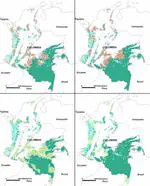
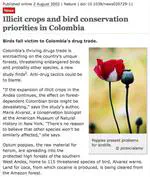
Illicit Crops and Bird Conservation Priorities in Colombia
Over the last 5 years the amount of land in Colombia planted in illicit crops, such as coca and poppy, has grown an average of 21% per year and may account for half the total area deforested in 1998. I conducted a geographic analysis of the distribution of illicit crops relative to standing forests and areas of conservation priority for birds. Municipalities where illicit crops have been detected were overlaid on a forest‐cover map of Colombia and two types of conservation priorities for birds were plotted: distributions of threatened species and minimum‐area sets for conservation of all species. The sites of the highest conservation priority affected by illicit crops were in the southern Andes, the northern West Andes and adjacent Darién lowlands, the Sierra Nevada de Santa Marta, Serranía del Perijá, and the Serranía de San Lucas. The largest forested areas threatened by illicit crops were in Amazonia and the Amazonian foothills of the East Andes, sites of low conservation priority. Given current trends in the expansion of illicit crops and the narrow endemicity of some bird species, the conversion of forests for illicit‐crop cultivation may result in the extirpation of several bird species from affected regions. To impede this, those involved in illicit‐crop eradication and alternative development should give high priority to the protection of existing forest reserves and parks from the planting of illicit crops. Such efforts should also extend to areas proposed for conservation based on the diversity of threatened and endemic birds that are currently unprotected. The conservation of threatened and endemic birds in Colombian forests may hinge on successfully curbing incentives for deforestation, including the international trade in illicit drugs.